
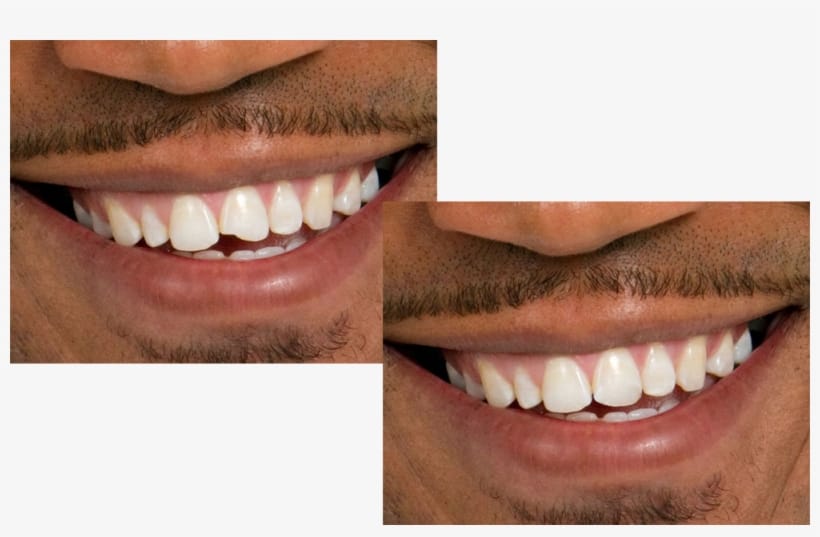
Small chips, discoloration, uneven edges, and minor gaps may affect how a person feels about their smile. Dental bonding and veneers are two cosmetic treatment options that may address some of these concerns. However, they work differently and are not suitable for every situation.
Understanding the differences may help you have a more informed discussion with a dentist in Wyoming about which approach may fit your oral health and treatment goals.
How Does Dental Bonding Work?
Dental bonding uses a tooth-coloured composite material that is applied directly to the tooth. The material is shaped and hardened before being polished to fit the surrounding tooth structure.
Bonding may be considered for relatively small cosmetic concerns, such as minor chips, cracks, gaps, or changes in tooth shape. It generally requires less alteration of the natural tooth than some other cosmetic procedures.
Because the material is applied directly to the tooth, the dentist can shape it according to the area being treated. However, composite bonding may be more susceptible to staining or wear over time, depending on the location of the restoration and individual habits.
What Are Dental Veneers?
Veneers are thin coverings placed over the visible surface of a tooth. They may be made from materials such as porcelain or other dental ceramics, depending on the treatment plan.
Veneers may be discussed when a patient has concerns involving tooth colour, shape, size, minor spacing, or other cosmetic characteristics. The preparation process varies depending on the type of veneer and the tooth being treated.
Unlike bonding, veneers are fabricated specifically for the tooth before being attached. This means the process generally involves more planning and multiple stages.
Bonding or Veneers: What Should You Consider?
There is no single choice that applies to every patient. Your dentist may consider several factors before recommending either treatment.
The Condition of Your Teeth
Teeth affected by decay, gum disease, cracks, or other oral health concerns may require treatment before cosmetic procedures are considered. A healthy foundation is an important part of treatment planning.
The Type of Cosmetic Concern
Bonding may be appropriate for a smaller correction, while veneers may be considered when changes to several visible characteristics are being discussed. The extent of the concern matters when selecting an approach.
Maintenance and Longevity
Both treatments require reasonable oral hygiene and regular dental care. Bonding may require repair or replacement if the material becomes damaged or worn. Veneers also require ongoing care and may eventually need replacement.
Your dentist can explain the expected maintenance based on the material selected and your individual circumstances.
Which Option Is Right for You?
The decision should not be based only on appearance. Your oral health, bite, tooth structure, treatment goals, budget, and expected maintenance all have a role in the discussion.
Patients considering family dentistry in Wyoming can ask their dental team about the advantages, limitations, alternatives, and potential risks associated with each option before making a decision.
A clinical examination is important because a treatment that works for one patient may not be appropriate for another.
Discuss Your Options With Wyoming Family Dental!
Wyoming Family Dental provides general and cosmetic dental services, including dental bonding and veneers. We are located at 578 Broadway Street in Wyoming, Ontario. If you are considering cosmetic treatment, our dental team can assess your teeth and discuss options based on your oral health, concerns, and treatment preferences.