
Dairy products are often discussed in relation to calcium and dental health, but choosing a plant-based alternative does not automatically mean your teeth are missing out. The important question is what the replacement contains and how often it is consumed. Calcium, phosphate, fluoride, saliva, and everyday oral hygiene all play roles in maintaining enamel.
Rather than assuming that dairy alternatives prevent enamel from repairing, it is more accurate to look at their nutritional content and their potential effect on the mouth.
Why Enamel Needs Minerals
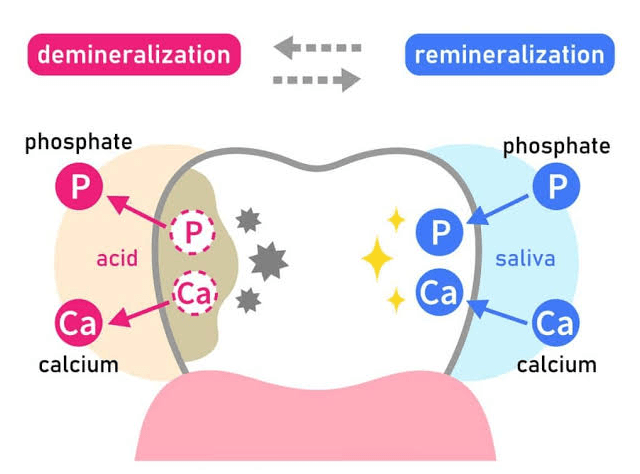
Tooth enamel is the hard outer layer of a tooth. Throughout the day, acids produced by oral bacteria and acidic foods or drinks can remove minerals from enamel. Saliva helps return minerals to the tooth surface through a process called remineralization.
Calcium and phosphate are important minerals found in enamel. Fluoride also supports remineralization and helps make enamel more resistant to acid attacks. This means your overall diet can contribute to the conditions that support enamel maintenance.
Are Dairy Alternatives a Problem?
Not necessarily. Plant-based beverages vary considerably in their nutritional content. Some are fortified with calcium and vitamin D, while others may contain relatively little calcium.
For someone replacing dairy milk, checking the nutrition label can be useful. A calcium-fortified alternative may provide calcium as part of the diet, while an unfortified product may contribute less. The American Dental Association notes that many plant-based milk alternatives are available, including products made from soy, almonds, oats, nuts, potato, flax, and hemp.
The type of beverage matters, too. Some products contain added sugars or are formulated with acidic ingredients. Frequent exposure to sugars can contribute to an environment that promotes tooth decay, while acidic beverages may contribute to enamel erosion.
Read the Label Before You Switch
If you prefer dairy-free products, look beyond the word “plant-based.” Check the nutrition panel for calcium and added sugars. An unsweetened, calcium-fortified beverage may fit differently into an oral-health-conscious diet than a sweetened alternative consumed several times throughout the day.
Frequency matters. Repeated exposure to sugary drinks gives oral bacteria more opportunities to produce acids. Drinking water between meals may also help reduce exposure to sugars and acids.
Enamel Does Not Simply Grow Back
There is an important distinction between remineralization and rebuilding damaged enamel. Early mineral loss may be managed through natural remineralization, particularly when fluoride and saliva are present. However, enamel that has been permanently lost does not simply regenerate.
The American Dental Association notes that fluoride toothpaste supports remineralization and helps make teeth more resistant to decay. For this reason, protecting enamel involves more than choosing between dairy and dairy-free foods.
Everyday Habits Still Matter
Brushing twice daily with fluoride toothpaste, cleaning between the teeth, limiting frequent sugary drinks, and maintaining regular dental visits are practical parts of oral care. A family dentist in Wyoming can also assess individual factors such as dietary habits, enamel changes, tooth sensitivity, and decay risk.
If you have concerns about how your diet may be affecting your teeth, discuss them with a dental professional rather than making major dietary changes based on one ingredient alone. A Wyoming dentist can evaluate your teeth and explain whether any visible enamel changes require monitoring or further care.
Making Informed Choices for Your Teeth
Dairy alternatives do not automatically prevent enamel from remineralizing. Their effect depends on factors such as calcium content, added sugars, acidity, consumption frequency, fluoride exposure, and overall oral hygiene. Choosing nutritious options and maintaining consistent dental care may help support your teeth over time.
Discuss Your Oral Health With Wyoming Family Dental!
Diet is only one part of maintaining oral health. Wyoming Family Dental can provide dental assessments and discuss everyday habits that may affect your teeth. If you have questions about enamel, dietary choices, or changes in your teeth, contact us to discuss your concerns and appropriate next steps.